 EN
EN


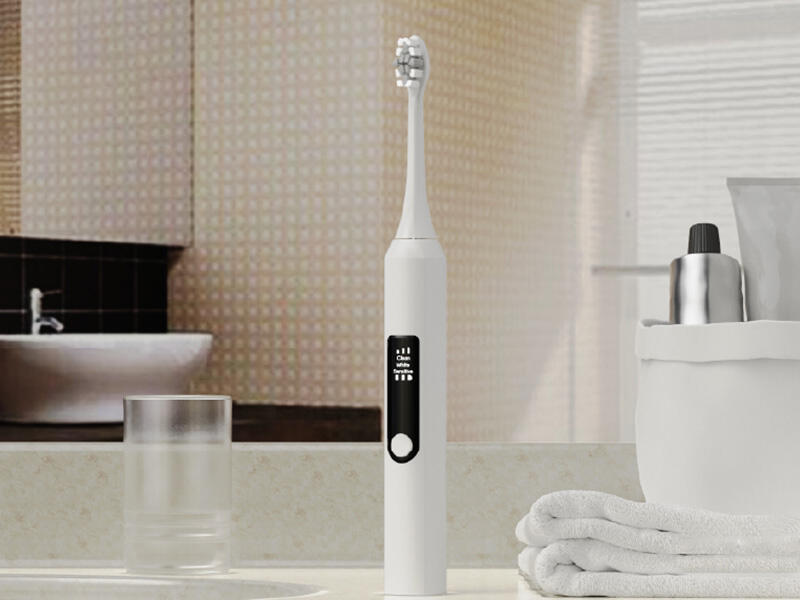
Maintaining optimal oral hygiene has become increasingly important in today's fast-paced world, and the sonic clean toothbrush represents a revolutionary advancement in dental care technology. This innovative oral care device utilizes high-frequency vibrations to deliver superior cleaning performance compared to traditional manual toothbrushes. The sonic clean toothbrush generates thousands of brush strokes per minute, creating dynamic fluid action that reaches areas conventional brushing often misses. Understanding how to properly integrate a sonic clean toothbrush into your daily routine can significantly enhance your overall dental health and provide long-lasting benefits for your teeth and gums.
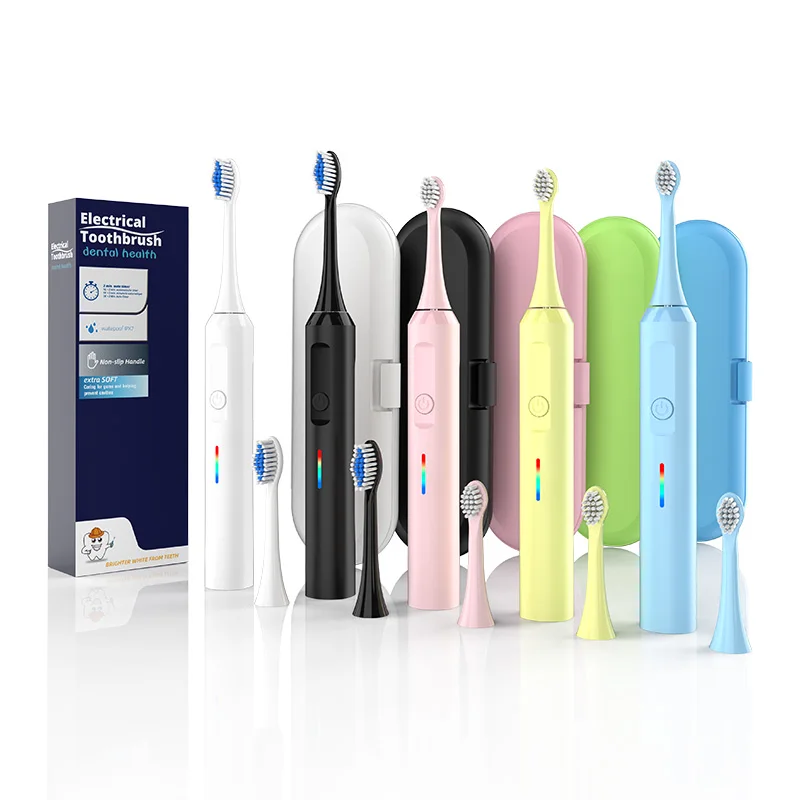
Understanding Sonic Cleaning Technology
How Sonic Vibrations Work
The sonic clean toothbrush operates through sophisticated sonic technology that generates rapid vibrations ranging from 20,000 to 40,000 brush strokes per minute. These high-frequency movements create a unique cleaning action that goes beyond simple mechanical scrubbing. The vibrations produce microscopic bubbles in saliva and toothpaste, which then implode against teeth surfaces, effectively removing plaque and bacteria from hard-to-reach areas. This process, known as cavitation, allows the sonic clean toothbrush to clean between teeth and along the gum line more effectively than traditional brushing methods.
The sonic technology also creates a sweeping motion that covers more surface area with each stroke, making the cleaning process more efficient and thorough. Research has shown that sonic clean toothbrush users experience significantly better plaque removal rates compared to manual brushing, with some studies indicating up to 70% more effective cleaning in areas where plaque typically accumulates. The gentle yet powerful vibrations also stimulate blood circulation in the gums, promoting healthier tissue and potentially reducing the risk of periodontal disease.
Advanced Features and Benefits
Modern sonic clean toothbrush models incorporate various advanced features designed to optimize the brushing experience and improve oral health outcomes. Many devices offer multiple cleaning modes, including standard cleaning, sensitive mode for tender gums, whitening mode for stain removal, and gum care mode for enhanced periodontal health. These customizable settings allow users to tailor their brushing experience based on their specific dental needs and preferences, ensuring optimal comfort and effectiveness.
Built-in timers and pressure sensors represent additional technological improvements found in premium sonic clean toothbrush models. The timer function ensures users brush for the dentist-recommended two minutes, often with quadrant notifications to promote even cleaning distribution across all mouth areas. Pressure sensors protect against excessive brushing force, which can damage tooth enamel and irritate gums. Some advanced models also feature smart connectivity, allowing users to track their brushing habits through smartphone applications and receive personalized recommendations for improved oral care.
Establishing Your Daily Sonic Brushing Routine
Morning Brushing Protocol
Beginning your day with proper sonic clean toothbrush technique sets the foundation for excellent oral hygiene throughout the day. Start by rinsing your mouth with water to remove any overnight bacterial buildup and food particles. Apply a pea-sized amount of fluoride toothpaste to the brush head, ensuring even distribution across the bristles. The sonic clean toothbrush requires less toothpaste than manual brushes due to its enhanced cleaning efficiency, so avoid overloading the brush head with excessive paste.
Position the sonic clean toothbrush at a 45-degree angle against your teeth and gums, allowing the bristles to make gentle contact with both surfaces. Turn on the device and let the sonic vibrations do the work, avoiding excessive manual scrubbing motions. Move the brush slowly from tooth to tooth, spending approximately 30 seconds in each quadrant of your mouth. The sonic action will automatically create the necessary cleaning motion, so focus on maintaining proper positioning and ensuring complete coverage of all tooth surfaces.
Evening Brushing Best Practices
Evening brushing with your sonic clean toothbrush serves as the most critical oral hygiene session of the day, removing accumulated plaque, bacteria, and food debris that have built up throughout the day. Begin by flossing to remove interdental plaque and food particles that even the powerful sonic clean toothbrush cannot reach. This preliminary step enhances the effectiveness of sonic brushing by allowing the vibrations and cleaning agents to access previously blocked areas.
Follow the same positioning and timing guidelines as morning brushing, but consider using a whitening or deep-cleaning toothpaste specifically formulated for evening use. These products often contain ingredients that work overnight to strengthen enamel and fight bacteria. After completing your two-minute brushing cycle with the sonic clean toothbrush, rinse thoroughly with an antiseptic mouthwash to eliminate any remaining bacteria and provide additional protection throughout the night.
Maximizing Plaque Removal and Gum Health
Targeting Problem Areas
The sonic clean toothbrush excels at addressing common problem areas where plaque tends to accumulate, including the gum line, back molars, and spaces between teeth. When focusing on the gum line, angle the brush head so that bristles can reach into the sulcus, the small gap between teeth and gums where bacteria often hide. The sonic vibrations create a flushing action that helps dislodge bacteria and debris from these critical areas, significantly reducing the risk of gingivitis and periodontal disease.
Pay special attention to your back molars, as these teeth are often neglected during routine brushing due to their difficult-to-reach location. The compact head design of most sonic clean toothbrush models allows for better access to these posterior teeth, while the powerful vibrations ensure thorough cleaning of their complex surface topology. Spend extra time on wisdom teeth if they are present, as these teeth are particularly prone to plaque buildup and decay due to their positioning.
Gum Stimulation and Health Benefits
The gentle massaging action provided by sonic clean toothbrush vibrations offers significant benefits for gum health beyond simple plaque removal. Regular use stimulates blood circulation in gingival tissues, promoting healing and reducing inflammation associated with early-stage gum disease. This increased circulation helps deliver essential nutrients to gum tissues while removing metabolic waste products that can contribute to periodontal problems.
Clinical studies have demonstrated that consistent sonic clean toothbrush use can lead to measurable improvements in gum health parameters, including reduced bleeding, decreased pocket depths, and improved tissue attachment levels. The sonic vibrations also help disrupt bacterial biofilms that form along the gum line, preventing the progression of gingivitis to more serious periodontal conditions. For individuals with sensitive gums or existing periodontal issues, using the gentle or sensitive mode on their sonic clean toothbrush provides therapeutic benefits without causing additional irritation.
Maintenance and Care Guidelines
Brush Head Replacement Schedule
Proper maintenance of your sonic clean toothbrush begins with adhering to a regular brush head replacement schedule. Most dental professionals recommend replacing brush heads every three to four months, or sooner if bristles show signs of wear or splaying. Worn bristles significantly reduce the effectiveness of sonic cleaning action, as they cannot maintain proper contact with tooth surfaces or adequately transmit sonic vibrations. Regular replacement ensures optimal cleaning performance and prevents bacterial accumulation on old brush heads.
Monitor your brush head condition between scheduled replacements, looking for signs of excessive wear, permanent staining, or bristle deterioration. Some sonic clean toothbrush models feature reminder systems that track usage time and alert users when replacement is due. Keep spare brush heads available to avoid interruptions in your oral care routine, and consider purchasing different brush head types to address varying dental needs or preferences throughout the year.
Device Cleaning and Storage
Maintaining your sonic clean toothbrush device itself requires regular cleaning and proper storage practices to ensure longevity and hygiene. After each use, rinse the brush head and handle under warm running water, removing any toothpaste residue or debris. Pay particular attention to the connection point between the brush head and handle, as this area can harbor bacteria if not properly cleaned. Gently tap the brush head to remove excess water, then allow both components to air dry completely.
Store your sonic clean toothbrush in an upright position using the provided charging stand or a dedicated toothbrush holder. Avoid enclosed storage containers while the device is still damp, as this can promote bacterial growth and damage electronic components. For travel purposes, ensure the sonic clean toothbrush is completely dry before placing it in a travel case, and consider using protective caps specifically designed for sonic brush heads. Regular cleaning of the charging base and proper cable management will help maintain the electrical components and ensure reliable operation.
Troubleshooting Common Issues
Performance and Battery Concerns
Users of sonic clean toothbrush devices may occasionally experience performance issues that can be resolved through proper troubleshooting techniques. Reduced vibration intensity often indicates low battery levels, requiring a full charging cycle to restore optimal performance. Most modern sonic clean toothbrush models feature battery indicators that alert users to charging needs, but older models may require more attention to charging schedules to maintain consistent operation.
If your sonic clean toothbrush fails to maintain charge or experiences shortened battery life, consider the charging environment and habits. Extreme temperatures, moisture exposure, or overcharging can negatively impact battery performance. Ensure the charging contacts are clean and free from debris, and avoid leaving the device on the charger continuously for extended periods. Some sonic clean toothbrush models include battery optimization features that regulate charging cycles to extend overall battery lifespan and maintain peak performance.
Sensitivity and Comfort Adjustments
New sonic clean toothbrush users may experience temporary sensitivity or discomfort during the initial adjustment period. This is normal as teeth and gums adapt to the new cleaning sensation and intensity. Start with the gentlest cleaning mode available and gradually increase intensity as comfort levels improve. Most sensitivity issues resolve within one to two weeks of consistent use as oral tissues adapt to the sonic vibrations.
For persistent sensitivity concerns, evaluate your brushing technique and pressure application. The sonic clean toothbrush requires minimal pressure to achieve effective cleaning, and excessive force can cause discomfort and potentially damage teeth or gums. Experiment with different brush head styles, as softer bristles or specialized sensitive-care heads may provide a more comfortable experience while maintaining cleaning effectiveness. If sensitivity persists beyond the adjustment period, consult with your dental professional to rule out underlying oral health issues.
FAQ
How often should I replace my sonic clean toothbrush brush head
Dental professionals recommend replacing sonic clean toothbrush heads every three to four months under normal usage conditions. However, you should replace them sooner if you notice bristle fraying, permanent discoloration, or reduced cleaning effectiveness. Heavy users or individuals with specific dental conditions may need more frequent replacements to maintain optimal oral hygiene results.
Can children safely use a sonic clean toothbrush
Children can safely use sonic clean toothbrush devices designed specifically for their age group, typically starting around age 3 with proper supervision. Pediatric sonic clean toothbrush models feature gentler vibrations, smaller brush heads, and often include fun features to encourage regular use. Always consult with a pediatric dentist before introducing sonic brushing technology to ensure it aligns with your child's developmental needs and oral health status.
Is it normal to experience bleeding when first using a sonic clean toothbrush
Mild bleeding during initial sonic clean toothbrush use can be normal, especially if you have existing gum inflammation or haven't maintained optimal oral hygiene. The enhanced cleaning action may initially cause sensitive or inflamed gums to bleed slightly. However, this should decrease significantly within one to two weeks of consistent use as gum health improves. Persistent or heavy bleeding warrants consultation with a dental professional.
How long does a fully charged sonic clean toothbrush battery typically last
Most quality sonic clean toothbrush models provide approximately two to three weeks of regular use on a single full charge, based on twice-daily brushing sessions of two minutes each. Battery life can vary depending on the specific model, cleaning modes used, and overall device age. Some premium models offer extended battery life of up to six weeks, while travel-sized versions may have shorter operational periods between charges.