 EN
EN



Modern oral care has evolved significantly with the introduction of advanced dental hygiene technologies. A sonic clean toothbrush represents the pinnacle of this evolution, offering superior cleaning capabilities that traditional manual brushes simply cannot match. These innovative devices utilize high-frequency vibrations to create powerful cleaning action that reaches deep between teeth and along the gumline, ensuring comprehensive plaque removal and enhanced oral health.
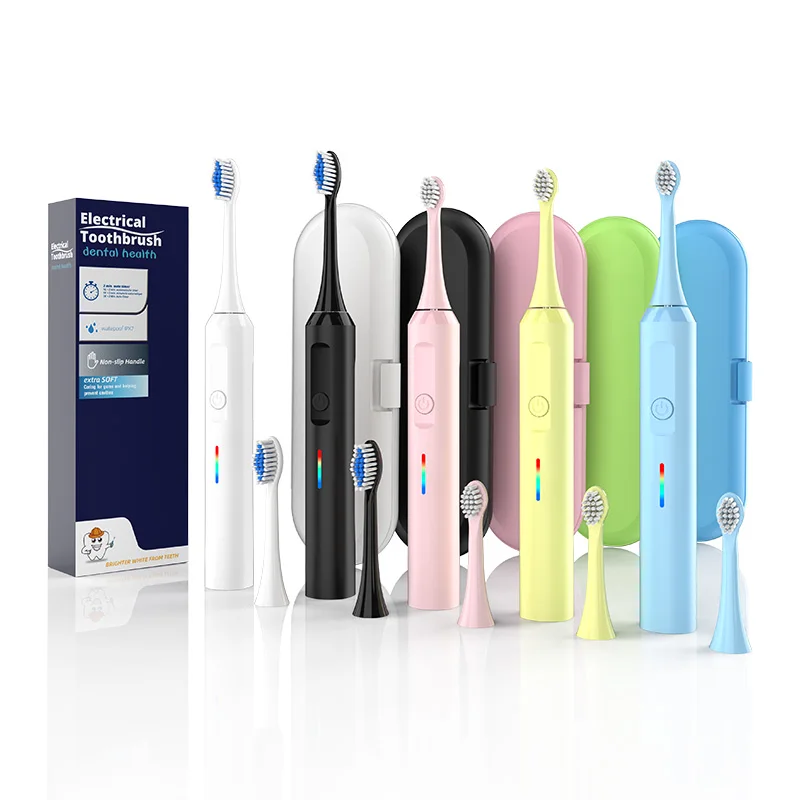
The science behind sonic cleaning technology demonstrates why dental professionals increasingly recommend these devices to their patients. Unlike conventional electric toothbrushes that rely solely on mechanical rotation, a sonic clean toothbrush generates vibrations at frequencies exceeding 30,000 strokes per minute. This rapid movement creates microscopic bubbles in saliva and toothpaste, producing a dynamic cleaning action that effectively disrupts bacterial biofilms and removes stubborn plaque deposits from hard-to-reach areas.
Understanding Sonic Cleaning Technology
The Science Behind Sonic Vibrations
Sonic cleaning technology operates on the principle of acoustic energy transfer, where high-frequency vibrations create fluid dynamics that enhance cleaning effectiveness. When a sonic clean toothbrush operates, it generates sound waves that propagate through the oral cavity, creating cavitation effects in the fluid medium surrounding teeth and gums. This phenomenon produces microscopic implosions that generate powerful cleaning forces, effectively dislodging bacteria and debris from areas that bristles alone cannot reach.
The frequency range of sonic toothbrushes typically falls between 250-300 Hz, corresponding to approximately 30,000-40,000 brush strokes per minute. This optimal frequency range has been scientifically proven to maximize plaque removal while remaining gentle on tooth enamel and gum tissue. Research conducted by leading dental institutions has demonstrated that sonic cleaning technology can remove up to 99% more plaque compared to manual brushing techniques.
Fluid Dynamic Cleaning Action
The fluid dynamic properties of sonic cleaning create a unique advantage over traditional brushing methods. When a sonic clean toothbrush activates, the rapid bristle movement generates turbulent fluid flow patterns within the mouth. These fluid streams carry cleaning agents deep into interdental spaces, periodontal pockets, and other areas where conventional brushes struggle to penetrate effectively.
This dynamic cleaning action extends approximately 4-5 millimeters beyond the bristle tips, enabling comprehensive cleaning of adjacent tooth surfaces without direct contact. The sonic energy also enhances the effectiveness of toothpaste and mouthwash by increasing their penetration into biofilm matrices, resulting in superior antimicrobial action and more thorough removal of bacterial colonies.
Clinical Benefits of Sonic Toothbrushes
Superior Plaque Removal Capabilities
Clinical studies have consistently demonstrated that a sonic clean toothbrush achieves significantly superior plaque removal compared to manual brushing techniques. The combination of mechanical bristle action and sonic energy creates a multi-dimensional cleaning approach that addresses all forms of dental plaque, including mature biofilms that have adhered strongly to tooth surfaces.
Independent research published in peer-reviewed dental journals indicates that sonic toothbrushes can remove up to 7 times more plaque from interdental areas and 10 times more plaque along the gumline compared to manual brushes. This enhanced cleaning effectiveness translates directly into improved oral health outcomes, including reduced incidence of dental caries, gingivitis, and periodontal disease.
Gum Health Improvement
The gentle yet effective cleaning action of a sonic clean toothbrush provides significant benefits for gum health and periodontal maintenance. The sonic vibrations stimulate blood circulation in gum tissues, promoting healing and reducing inflammation associated with gingivitis and early-stage periodontal disease. This therapeutic effect occurs through improved microcirculation and enhanced delivery of nutrients and oxygen to gum tissues.
Long-term use of sonic toothbrushes has been associated with measurable improvements in gingival health parameters, including reduced bleeding on probing, decreased pocket depths, and improved attachment levels. These clinical improvements contribute to overall periodontal stability and reduced risk of tooth loss due to advanced periodontal disease.
Optimal Usage Techniques for Maximum Effectiveness
Proper Brushing Technique and Duration
Maximizing the benefits of a sonic clean toothbrush requires understanding proper brushing techniques that complement the device's advanced cleaning capabilities. Unlike manual brushing, which requires vigorous scrubbing motions, sonic toothbrushes work most effectively when users allow the technology to perform the cleaning action while gently guiding the brush head across tooth surfaces.
The recommended brushing duration with a sonic clean toothbrush is two minutes, divided into four 30-second quadrants to ensure comprehensive coverage of all oral surfaces. Users should position the brush head at a 45-degree angle to the gumline and move it slowly from tooth to tooth, spending approximately 2-3 seconds on each tooth surface. The sonic energy will automatically provide the necessary cleaning action without requiring additional pressure or scrubbing motions.
Brush Head Selection and Replacement
Choosing the appropriate brush head design significantly impacts the effectiveness of a sonic clean toothbrush. Different brush head configurations are engineered for specific cleaning objectives, including standard cleaning, deep cleaning, gum care, and sensitive teeth management. Understanding these variations allows users to customize their oral care routine based on individual needs and oral health conditions.
Regular replacement of brush heads maintains optimal cleaning performance and prevents bacterial accumulation on worn bristles. Dental professionals recommend replacing sonic toothbrush heads every 3-4 months or when bristles begin to show visible wear patterns. Fresh brush heads ensure maximum contact with tooth surfaces and maintain the integrity of the sonic cleaning action.
Comparing Sonic Technology to Traditional Methods
Efficiency Advantages Over Manual Brushing
The efficiency advantages of a sonic clean toothbrush become apparent when comparing cleaning outcomes to traditional manual brushing methods. Time-motion studies have shown that achieving equivalent plaque removal with manual brushing would require significantly longer brushing sessions and more intensive technique training. Most individuals using manual brushes fail to achieve adequate plaque removal due to inconsistent technique, insufficient brushing duration, and inability to access difficult areas.
Sonic technology eliminates many variables associated with manual brushing effectiveness, providing consistent cleaning performance regardless of user technique variations. The standardized vibration frequency and amplitude ensure reliable plaque disruption and removal, making professional-quality oral care accessible to users of all skill levels and physical capabilities.
Long-term Oral Health Outcomes
Longitudinal studies tracking oral health outcomes over extended periods have demonstrated superior results among users of sonic clean toothbrush systems compared to manual brushing cohorts. These improvements include reduced incidence of dental caries, lower rates of periodontal disease progression, and decreased need for invasive dental treatments over time.
The cumulative benefits of consistent sonic cleaning contribute to improved quality of life through better oral health, reduced dental treatment costs, and enhanced confidence in social and professional interactions. These long-term advantages justify the initial investment in sonic toothbrush technology and support its adoption as a standard component of comprehensive oral care routines.
Technology Features and Innovation
Advanced Battery and Charging Systems
Modern sonic clean toothbrush devices incorporate sophisticated battery management systems that provide extended usage time and convenient charging options. Lithium-ion battery technology enables weeks of regular use on a single charge, making these devices practical for travel and daily use without frequent charging requirements. Advanced battery management systems also include charge level indicators and automatic power optimization to maximize battery longevity.
Inductive charging systems eliminate the need for physical charging connections, providing waterproof operation and enhanced durability in bathroom environments. These charging stations often include UV sanitizing capabilities that eliminate bacteria and viruses from brush heads between uses, adding an extra layer of hygiene protection to the oral care routine.
Smart Features and Connectivity
Contemporary sonic clean toothbrush models increasingly incorporate smart technology features that enhance user experience and treatment outcomes. Bluetooth connectivity enables integration with smartphone applications that provide real-time brushing feedback, technique coaching, and progress tracking over time. These digital features help users optimize their brushing habits and maintain consistency in their oral care routines.
Pressure sensing technology prevents excessive brushing force that could damage tooth enamel or irritate gum tissues. When excessive pressure is detected, the device automatically reduces vibration intensity or provides tactile feedback to encourage proper technique. These safety features make sonic toothbrushes suitable for users with sensitive teeth or existing dental restorations.
Professional Recommendations and Clinical Evidence
Dental Professional Endorsements
Dental hygienists and periodontists increasingly recommend sonic clean toothbrush technology to patients seeking improved oral health outcomes. Professional endorsements are based on clinical evidence demonstrating superior plaque removal, enhanced gum health, and improved patient compliance with recommended oral hygiene protocols. Many dental practices now stock and sell sonic toothbrushes as part of comprehensive treatment plans.
The American Dental Association has evaluated numerous sonic toothbrush models and awarded seals of acceptance to devices that meet rigorous safety and effectiveness standards. These endorsements provide consumers with confidence in product quality and clinical performance, supporting informed decision-making when selecting oral care technologies.
Research-Based Performance Validation
Peer-reviewed research published in leading dental journals provides extensive validation of sonic clean toothbrush effectiveness across diverse patient populations and oral health conditions. Clinical trials have demonstrated significant improvements in gingivitis scores, plaque indices, and patient satisfaction measures among sonic toothbrush users compared to control groups using manual or conventional electric brushes.
Meta-analyses combining results from multiple independent studies have confirmed the consistent superior performance of sonic technology across different geographic regions, age groups, and oral health baselines. This robust evidence base supports the clinical recommendation of sonic toothbrushes as first-line therapy for plaque control and periodontal health maintenance.
FAQ
How often should I replace the brush head on my sonic clean toothbrush?
Brush heads should be replaced every 3-4 months or when bristles show visible wear, fraying, or discoloration. Regular replacement maintains optimal cleaning effectiveness and prevents bacterial accumulation on worn bristles. Some users may need more frequent replacement if they brush more than twice daily or have specific oral health conditions that require intensive care.
Can a sonic clean toothbrush damage dental work or sensitive teeth?
Sonic toothbrushes are generally safe for dental work including fillings, crowns, and implants when used with proper technique. Most devices include pressure sensors and multiple intensity settings to accommodate sensitive teeth and existing dental restorations. However, individuals with specific concerns should consult their dentist before transitioning from manual to sonic brushing.
Is it normal for gums to bleed initially when using a sonic clean toothbrush?
Mild bleeding during the first few days of sonic toothbrush use is common, especially among individuals transitioning from less effective cleaning methods. This temporary bleeding typically indicates removal of bacterial plaque and improvement in gum health. Persistent bleeding beyond one week warrants consultation with a dental professional to rule out underlying periodontal conditions.
What is the optimal brushing technique for sonic clean toothbrush effectiveness?
The most effective technique involves positioning the brush head at a 45-degree angle to the gumline and moving it slowly from tooth to tooth without applying excessive pressure. Allow the sonic action to perform the cleaning while gently guiding the brush across all tooth surfaces for the recommended two-minute duration. Avoid scrubbing motions, as the sonic energy provides the necessary cleaning action automatically.