 EN
EN


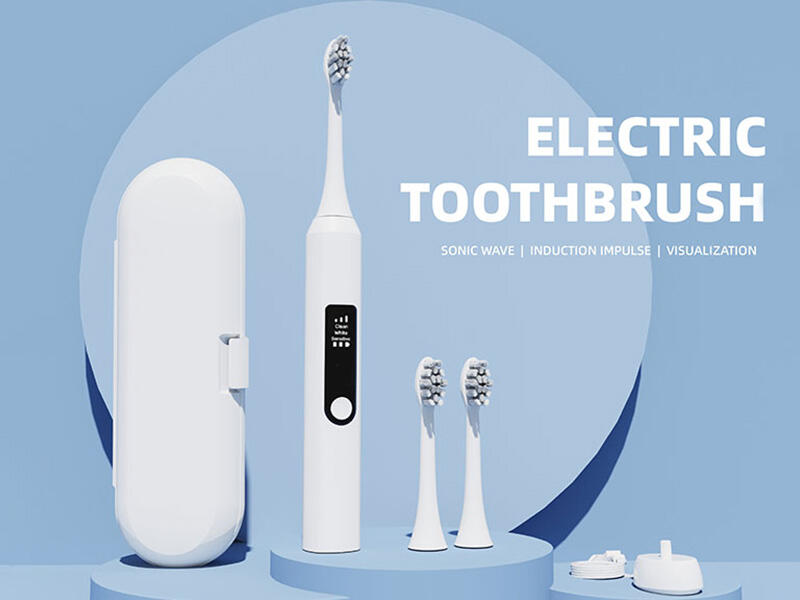
Gum inflammation affects millions of people worldwide and represents one of the most common oral health challenges in modern dentistry. When bacteria accumulate along the gumline, they trigger an inflammatory response that can lead to redness, swelling, bleeding, and discomfort. The search for effective prevention methods has led many dental professionals and patients to explore advanced oral care technologies, particularly the sonic clean toothbrush. This innovative dental device utilizes high-frequency vibrations to disrupt bacterial biofilms and enhance plaque removal, offering a sophisticated approach to maintaining optimal gum health. Understanding how these advanced cleaning mechanisms work can help individuals make informed decisions about their oral hygiene routines.
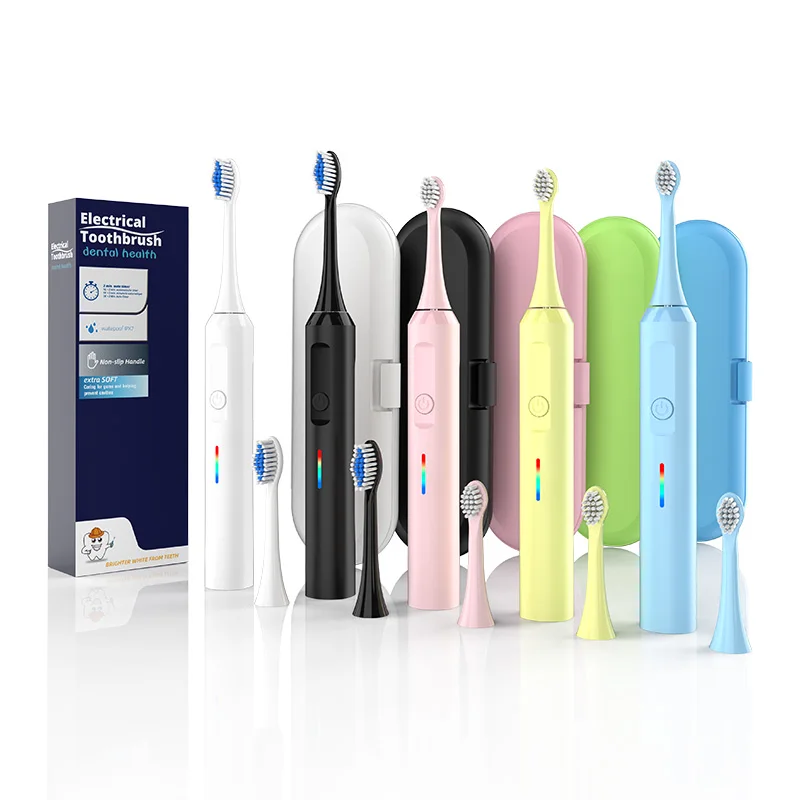
Understanding Gum Inflammation and Its Causes
The Science Behind Gum Inflammation
Gum inflammation, medically known as gingivitis, occurs when bacterial plaque accumulates along the gumline and releases toxins that irritate the gingival tissues. This inflammatory response is the body's natural defense mechanism against harmful bacteria, but when prolonged, it can progress to more serious periodontal conditions. The process begins when inadequate oral hygiene allows plaque to mineralize into tartar, creating rough surfaces that harbor additional bacteria. These bacterial colonies produce endotoxins that penetrate the gum tissue, triggering an immune response characterized by increased blood flow, swelling, and sensitivity.
Research indicates that certain bacterial strains, particularly Porphyromonas gingivalis and Tannerella forsythia, play crucial roles in initiating and sustaining gum inflammation. These pathogenic bacteria thrive in anaerobic environments created by thick plaque deposits, making thorough mechanical cleaning essential for prevention. The inflammatory cascade involves multiple cellular mediators, including prostaglandins and cytokines, which amplify the tissue response and can lead to chronic inflammation if not properly addressed through effective oral hygiene practices.
Risk Factors and Contributing Elements
Multiple factors contribute to gum inflammation risk, including genetic predisposition, hormonal fluctuations, smoking, diabetes, and certain medications that affect saliva production. Individuals with compromised immune systems face elevated risks, as their bodies may struggle to control bacterial overgrowth effectively. Stress levels also influence inflammatory responses, with chronic stress potentially exacerbating gum inflammation through elevated cortisol levels that suppress immune function.
Dietary factors significantly impact gum health, with high-sugar and high-carbohydrate foods providing fuel for bacterial growth and acid production. Poor nutrition, particularly deficiencies in vitamin C and other antioxidants, can impair tissue repair mechanisms and increase susceptibility to inflammation. Understanding these risk factors helps individuals recognize the importance of comprehensive prevention strategies that address both mechanical cleaning and lifestyle modifications.
Sonic Technology and Oral Health Benefits
How Sonic Vibrations Work
The sonic clean toothbrush operates through high-frequency vibrations, typically ranging from 30,000 to 40,000 brush strokes per minute, creating dynamic fluid action that extends beyond direct bristle contact. These vibrations generate hydrodynamic forces that disrupt bacterial biofilms and drive cleaning fluids into interdental spaces and subgingival areas where traditional brushes struggle to reach. The sonic technology creates a unique cleaning phenomenon known as acoustic streaming, where fluid movement patterns help dislodge plaque and bacteria from tooth surfaces and gum pockets.
Clinical studies demonstrate that sonic vibrations create sufficient energy to break down bacterial cell walls and disrupt the extracellular matrix that holds plaque biofilms together. This mechanical disruption occurs at the molecular level, making bacterial colonies more susceptible to removal through normal salivary flow and rinsing. The high-frequency motion also stimulates gingival circulation, promoting nutrient delivery and waste removal from periodontal tissues, which supports natural healing processes and inflammation reduction.
Plaque Removal Effectiveness
Research comparing sonic clean toothbrush performance to manual brushing consistently shows superior plaque removal rates, with studies indicating 2-3 times more effective cleaning along the gumline where inflammation typically begins. The dynamic cleaning action reaches areas that manual brushing often misses, including proximal surfaces between teeth and shallow gum pockets where bacteria accumulate. This enhanced cleaning capability directly addresses the primary cause of gum inflammation by more thoroughly removing the bacterial deposits that trigger inflammatory responses.
The effectiveness extends beyond simple mechanical removal, as sonic technology helps reduce bacterial viability through cellular disruption and biofilm destabilization. Laboratory studies show that exposure to sonic frequencies can reduce bacterial metabolic activity and interfere with communication systems that bacteria use to coordinate biofilm formation. This multi-layered approach to bacterial control makes the sonic clean toothbrush particularly valuable for individuals prone to gum inflammation or those seeking to prevent its development.
Clinical Evidence for Gum Inflammation Prevention
Research Studies and Findings
Multiple randomized controlled trials have evaluated the effectiveness of sonic clean toothbrush devices in preventing and reducing gum inflammation. A comprehensive meta-analysis of 29 studies involving over 2,400 participants found that sonic toothbrushes reduced gingivitis scores by an average of 21% compared to manual brushing after four weeks of use. The most significant improvements occurred in patients with moderate to severe baseline inflammation, suggesting particular benefits for individuals already experiencing gum health challenges.
Long-term studies tracking participants over six months demonstrate sustained improvements in gingival health markers, including reduced bleeding on probing, decreased pocket depths, and improved clinical attachment levels. These findings indicate that consistent use of a sonic clean toothbrush can provide lasting protection against gum inflammation while supporting overall periodontal health maintenance.
Comparative Analysis with Traditional Methods
Direct comparisons between sonic clean toothbrush technology and conventional manual brushing reveal significant differences in cleaning efficiency and gum health outcomes. Studies measuring plaque index scores show that sonic devices achieve superior results in all measured areas, with the most dramatic improvements occurring at the gumline where inflammation typically initiates. The enhanced cleaning action translates to measurable reductions in inflammatory markers, including decreased levels of interleukin-1β and prostaglandin E2 in gingival crevicular fluid.
When compared to standard electric toothbrushes, sonic clean toothbrush devices demonstrate additional benefits in terms of biofilm disruption and bacterial reduction. The unique frequency range and amplitude of sonic vibrations create cleaning effects that extend beyond the physical reach of bristles, providing advantages in areas that are difficult to access with conventional brushing techniques. These comparative studies support the adoption of sonic technology as a superior approach to gum inflammation prevention.
Optimal Usage Techniques for Maximum Benefit
Proper Brushing Technique and Duration
Maximizing the gum health benefits of a sonic clean toothbrush requires proper technique and consistent application. The recommended approach involves gentle placement of the brush head against the gumline at a 45-degree angle, allowing the sonic vibrations to do the work rather than applying excessive pressure. Users should move the brush slowly along the gumline, spending approximately 30 seconds in each quadrant of the mouth to ensure thorough coverage of all gingival areas where inflammation commonly develops.
The duration and frequency of sonic clean toothbrush use significantly impact effectiveness for gum inflammation prevention. Dental professionals recommend twice-daily brushing sessions lasting at least two minutes, with particular attention to areas showing signs of inflammation or plaque accumulation. Some studies suggest that individuals with elevated inflammation risk may benefit from additional cleaning sessions, though this should be balanced with the need to avoid over-brushing that could cause mechanical trauma to sensitive gum tissues.
Complementary Oral Hygiene Practices
While the sonic clean toothbrush provides superior cleaning capabilities, optimal gum inflammation prevention requires integration with other oral hygiene practices. Daily flossing remains essential for removing plaque and bacteria from interproximal areas that even advanced sonic technology cannot fully reach. The combination of sonic brushing and proper flossing creates a comprehensive approach to biofilm disruption and bacterial control that addresses all potential sites of inflammation initiation.
Antimicrobial mouth rinses can enhance the benefits of sonic clean toothbrush use by providing additional bacterial reduction and anti-inflammatory effects. Products containing chlorhexidine, cetylpyridinium chloride, or essential oils can complement the mechanical cleaning action of sonic devices while providing sustained antimicrobial activity between brushing sessions. Regular professional cleanings and examinations remain crucial for monitoring gum health and addressing any areas of concern that may require additional intervention beyond daily home care.
Selecting the Right Sonic Clean Toothbrush
Key Features and Specifications
Choosing an effective sonic clean toothbrush requires consideration of several technical specifications that influence cleaning performance and gum health benefits. The vibration frequency represents the most critical factor, with devices operating in the 30,000-40,000 strokes per minute range providing optimal biofilm disruption capabilities. Amplitude, or the distance the brush head travels during each vibration cycle, also affects cleaning effectiveness, with moderate amplitude levels providing the best balance between thorough cleaning and gentle tissue treatment.
Battery life and charging capabilities significantly impact the practical utility of a sonic clean toothbrush for consistent gum inflammation prevention. Devices with extended battery life reduce the risk of inconsistent use due to charging requirements, while fast-charging capabilities ensure minimal disruption to daily oral hygiene routines. Multiple cleaning modes allow users to customize their experience based on gum sensitivity levels and specific oral health needs, with gentle modes particularly beneficial for individuals with active inflammation or sensitive tissues.
Brush Head Selection and Replacement
The design and composition of brush heads significantly influence the gum health benefits provided by sonic clean toothbrush devices. Soft bristles with rounded ends minimize the risk of mechanical trauma while maximizing plaque removal effectiveness, particularly important for individuals with sensitive or inflamed gums. Some brush heads feature specialized designs with angled bristles or rubber components specifically engineered to enhance gumline cleaning and massage inflamed tissues gently.
Regular brush head replacement ensures maintained cleaning effectiveness and hygiene standards essential for gum inflammation prevention. Most manufacturers recommend replacement every three months, though individuals with active gum disease may benefit from more frequent changes to prevent bacterial accumulation on worn bristles. Some advanced sonic clean toothbrush models include reminder systems or color-changing bristles that indicate when replacement is needed, helping users maintain optimal cleaning performance.
FAQ
How quickly can a sonic clean toothbrush improve gum inflammation
Most users experience noticeable improvements in gum health within 2-4 weeks of consistent sonic clean toothbrush use. Initial changes include reduced bleeding during brushing and decreased gum tenderness, while more significant improvements in inflammation markers typically occur after 6-8 weeks of regular use. Individual results vary based on the severity of initial inflammation, overall oral hygiene practices, and underlying health factors that may influence healing rates.
Can sonic clean toothbrush technology damage sensitive gums
When used properly with gentle pressure and appropriate brush heads, sonic clean toothbrush devices are generally safe for sensitive gums and can actually help reduce sensitivity over time by improving gum health. Most devices offer multiple intensity settings, allowing users to start with lower vibration levels and gradually increase as gum health improves. Individuals with severe gum inflammation should consult with their dental professional before beginning sonic brushing to ensure proper technique and monitoring.
What maintenance is required for optimal sonic clean toothbrush performance
Regular maintenance includes daily rinsing of the brush head after use, weekly deep cleaning with antibacterial solutions, and timely replacement of brush heads every 3-4 months. The device handle should be kept clean and dry between uses, with periodic charging according to manufacturer specifications. Some models require occasional descaling or internal cleaning procedures to maintain motor efficiency and prevent bacterial buildup within the device mechanisms.
Are there any contraindications for using sonic clean toothbrush devices
Individuals with certain medical conditions, including recent oral surgery, severe periodontal disease, or specific heart conditions requiring antibiotic prophylaxis, should consult healthcare providers before using sonic clean toothbrush technology. People with dental restorations, particularly older fillings or crowns, may need professional evaluation to ensure compatibility with high-frequency vibrations. Proper medical clearance helps ensure safe and effective use while maximizing gum health benefits.