 EN
EN


Modern oral hygiene has evolved significantly with the introduction of advanced dental care technologies. A sonic toothbrush represents one of the most effective innovations in home dental care, offering superior cleaning capabilities compared to traditional manual brushes. These electric devices use high-frequency vibrations to create dynamic fluid action that reaches areas conventional brushes cannot effectively clean. The technology behind sonic toothbrush systems has been refined over decades, making them increasingly accessible for everyday home use while maintaining professional-grade cleaning standards.
Understanding Sonic Toothbrush Technology
How Sonic Vibrations Work
The fundamental principle behind sonic toothbrush operation involves generating vibrations at frequencies typically ranging from 24,000 to 40,000 strokes per minute. These rapid movements create a sweeping motion that produces hydrodynamic activity in the mouth. The bristles move in an elliptical pattern, effectively disrupting bacterial biofilms and dislodging food particles from interdental spaces. This technology surpasses manual brushing techniques by creating cleaning action beyond the physical reach of the bristles themselves.
The sonic frequency generates microbubbles in saliva and toothpaste, enhancing the cleaning process through cavitation effects. These microscopic bubbles collapse against tooth surfaces and in gum pockets, providing gentle yet thorough cleaning action. The result is more comprehensive plaque removal compared to conventional brushing methods, making the sonic toothbrush an essential tool for maintaining optimal oral health at home.
Advanced Cleaning Mechanisms
Beyond basic vibration, modern sonic toothbrush designs incorporate multiple cleaning modes to address various oral care needs. These typically include daily cleaning, sensitive teeth care, gum massage, and deep cleaning options. Each mode adjusts the intensity and pattern of vibrations to optimize cleaning effectiveness while ensuring user comfort. The sophisticated engineering behind these devices ensures consistent performance throughout the battery life cycle.
The bristle design of a quality sonic toothbrush features angled and varied-length bristles that work synergistically with the sonic motion. This combination creates a three-dimensional cleaning action that reaches below the gum line and between teeth more effectively than static brushing techniques. The result is superior plaque disruption and bacteria removal, contributing to better overall oral health outcomes.
Health Benefits of Regular Sonic Toothbrush Use
Enhanced Plaque Removal Capabilities
Clinical studies consistently demonstrate that sonic toothbrush technology removes significantly more plaque than manual brushing. The high-frequency vibrations create fluid dynamics that reach areas typically missed by conventional brushing techniques. This enhanced plaque removal capability directly translates to reduced risk of cavities, gingivitis, and periodontal disease when used consistently as part of a comprehensive oral hygiene routine.
The dynamic cleaning action of a sonic toothbrush effectively breaks down bacterial biofilms that form on tooth surfaces and along the gum line. These biofilms, if left undisturbed, can mineralize into tartar and contribute to dental health problems. Regular use of sonic technology helps prevent this mineralization process by consistently disrupting bacterial colonies before they can establish strong adherence to tooth surfaces.
Improved Gum Health and Circulation
The gentle massaging action provided by sonic toothbrush vibrations stimulates blood circulation in the gums, promoting healthier tissue and improved healing responses. This massage effect helps reduce inflammation and bleeding associated with gingivitis while strengthening gum tissue over time. Users frequently report noticeably healthier gum appearance and reduced sensitivity after consistent sonic toothbrush use.
The combination of effective plaque removal and improved circulation creates an optimal environment for gum health maintenance. The sonic toothbrush technology provides therapeutic benefits beyond simple cleaning, actively contributing to periodontal health through its unique mechanical action. This makes it particularly valuable for individuals with existing gum sensitivity or those at risk for periodontal disease.
Choosing the Right Sonic Toothbrush for Home Use
Essential Features and Specifications
When selecting a sonic toothbrush for home use, battery life stands as one of the most critical considerations. Long battery life ensures consistent performance and reduces the inconvenience of frequent charging. Look for models offering at least two weeks of use on a single charge, with some premium options providing up to a month of operation. This extended battery performance makes the sonic toothbrush more practical for travel and ensures reliable daily use.
Multiple cleaning modes represent another essential feature in a quality sonic toothbrush system. These modes should include settings for daily cleaning, sensitive teeth, gum care, and intensive cleaning options. The ability to customize cleaning intensity allows users to adapt their oral care routine to specific needs and preferences while maintaining the effectiveness of sonic technology across different dental conditions.
Durability and Design Considerations
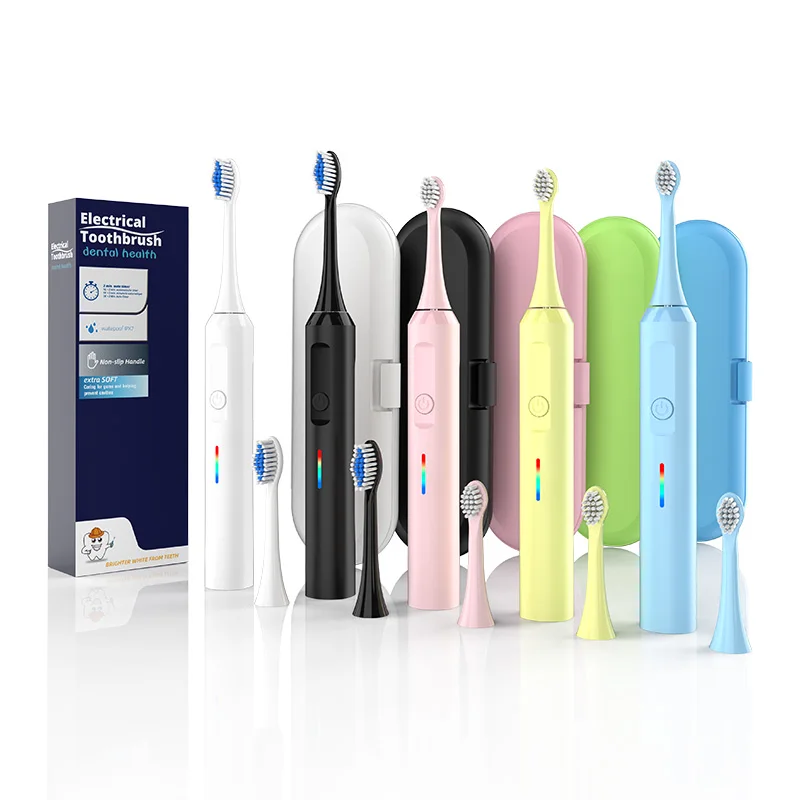
A well-designed sonic toothbrush should feature waterproof construction suitable for bathroom environments and easy cleaning. The handle should provide comfortable grip even when wet, with intuitive controls that can be operated easily during use. Quality construction materials ensure the device maintains its performance characteristics over extended periods of regular use.
Replacement brush head compatibility and availability represent important long-term considerations when choosing a sonic toothbrush system. The device should accept readily available replacement heads designed specifically for sonic cleaning action. This ensures users can maintain optimal cleaning performance throughout the life of their sonic toothbrush investment while adapting to changing oral care needs.
Maximizing Sonic Toothbrush Effectiveness
Proper Brushing Technique and Duration
To achieve optimal results with a sonic toothbrush, proper technique involves gentle pressure application while allowing the device's vibrations to perform the cleaning action. Unlike manual brushing, which requires active scrubbing motions, sonic toothbrush use involves slowly guiding the brush head across all tooth surfaces while maintaining light contact. This approach maximizes the cleaning benefits while preventing potential damage from excessive pressure.
The recommended brushing duration with a sonic toothbrush typically ranges from two to three minutes, with built-in timers helping ensure adequate cleaning time. Many models include interval timers that signal when to move between different mouth quadrants, ensuring comprehensive coverage. This systematic approach combined with sonic technology provides thorough cleaning that surpasses traditional brushing methods in both efficiency and effectiveness.
Maintenance and Care Protocols
Proper maintenance of a sonic toothbrush includes regular cleaning of the brush head and handle to prevent bacterial accumulation. The brush head should be replaced every three to four months or when bristles show signs of wear, maintaining optimal cleaning performance. The charging base and handle require periodic cleaning with mild soap and water to ensure hygienic operation and prevent buildup of residues.
Storage considerations for a sonic toothbrush include allowing proper air circulation around the brush head to prevent moisture retention and bacterial growth. Many users benefit from having multiple brush heads available, allowing for proper drying between uses while maintaining consistent oral care routines. This approach ensures the sonic toothbrush system continues providing optimal cleaning performance over its operational lifetime.
Comparing Sonic Technology to Traditional Methods
Efficiency and Time Savings
The superior efficiency of sonic toothbrush technology translates to more effective cleaning in less time compared to manual brushing methods. While manual brushing requires longer duration and more intensive technique to achieve comparable plaque removal, a sonic toothbrush accomplishes superior results in the standard two-minute brushing period recommended by dental professionals.
The automated action of a sonic toothbrush ensures consistent cleaning performance regardless of user technique variations or fatigue levels that might affect manual brushing effectiveness. This consistency makes sonic technology particularly valuable for individuals with limited dexterity or those seeking to optimize their oral care routine efficiency without compromising cleaning quality.
Long-term Oral Health Outcomes
Clinical evidence supports superior long-term oral health outcomes associated with consistent sonic toothbrush use compared to traditional manual brushing. Users typically experience reduced incidence of cavities, improved gum health, and decreased need for intensive dental treatments when incorporating sonic technology into their daily oral care routines.
The investment in quality sonic toothbrush technology often proves cost-effective over time through reduced dental treatment needs and improved overall oral health. The superior cleaning capabilities help prevent problems that might otherwise require professional intervention, making the sonic toothbrush an valuable component of preventive oral healthcare strategies.
Advanced Applications and Special Considerations
Addressing Specific Oral Health Conditions
Individuals with orthodontic appliances benefit significantly from sonic toothbrush technology due to its ability to clean around brackets and wires more effectively than manual brushing. The fluid dynamics created by sonic vibrations help dislodge food particles and plaque from areas that are difficult to reach with conventional brushing techniques, making it an excellent choice for maintaining oral hygiene during orthodontic treatment.
For users with sensitive teeth or receding gums, many sonic toothbrush models offer specialized gentle cleaning modes that provide effective plaque removal while minimizing discomfort. These sensitive modes reduce vibration intensity while maintaining the cleaning benefits of sonic technology, making it accessible for individuals who might otherwise find electric toothbrushes too aggressive.
Travel and Portability Features
Modern sonic toothbrush designs increasingly incorporate travel-friendly features that make maintaining oral hygiene routines away from home more convenient. Extended battery life eliminates the need for frequent charging during short trips, while compact charging cases protect the device during transport and provide additional power storage for extended travel periods.
The durability and reliability of quality sonic toothbrush systems make them ideal companions for frequent travelers who prioritize oral health maintenance regardless of location. The consistent performance and easy operation ensure users can maintain their established oral care routines without compromise while away from home, contributing to long-term oral health stability.
FAQ
How often should I replace my sonic toothbrush head
Sonic toothbrush heads should typically be replaced every three to four months, similar to manual toothbrush replacement schedules. However, replacement frequency may vary based on usage intensity and individual factors. Signs that indicate the need for replacement include frayed bristles, reduced cleaning effectiveness, or visible wear patterns. Some users benefit from replacement every two to three months for optimal cleaning performance, especially those with more aggressive brushing habits or specific oral health conditions requiring maximum cleaning efficiency.
Can children safely use a sonic toothbrush
Many sonic toothbrush manufacturers produce child-specific models designed with age-appropriate features including gentler vibration settings, smaller brush heads, and fun designs that encourage regular use. These pediatric versions maintain the cleaning benefits of sonic technology while ensuring safety and comfort for developing teeth and gums. Children typically can begin using sonic toothbrush technology around age three with proper supervision, though individual readiness varies. Consultation with a pediatric dentist can help determine the appropriate age and model selection for each child.
What is the difference between sonic and ultrasonic toothbrushes
Sonic toothbrush technology operates at frequencies between 24,000 to 40,000 vibrations per minute, creating visible bristle movement and fluid dynamics for mechanical cleaning action. Ultrasonic toothbrushes operate at much higher frequencies, typically 1.6 million vibrations per minute, creating cleaning action primarily through acoustic streaming rather than visible bristle movement. Most consumers find sonic toothbrush technology more familiar and effective for daily use, as the mechanical action provides tactile feedback and proven plaque removal capabilities that users can feel and observe during brushing.
How long does a sonic toothbrush battery typically last
Quality sonic toothbrush models typically provide between two to four weeks of regular use on a single charge, based on two-minute brushing sessions twice daily. Premium models with advanced battery technology may extend this duration to six weeks or more. Battery performance can be affected by factors including cleaning mode selection, age of the device, and charging habits. To maximize battery life, users should follow manufacturer charging recommendations and avoid overcharging, while understanding that battery capacity may gradually decrease over the device's operational lifetime, typically spanning several years of regular use.