 EN
EN



Modern oral hygiene has evolved significantly with advanced dental technology, and sonic toothbrush cleaner systems represent one of the most effective innovations in personal care. These sophisticated devices combine high-frequency vibrations with specialized cleaning mechanisms to deliver superior plaque removal and gum health maintenance. Unlike traditional manual brushing methods, sonic toothbrush cleaner technology operates at frequencies that create dynamic fluid action, reaching areas that conventional brushes simply cannot access effectively.
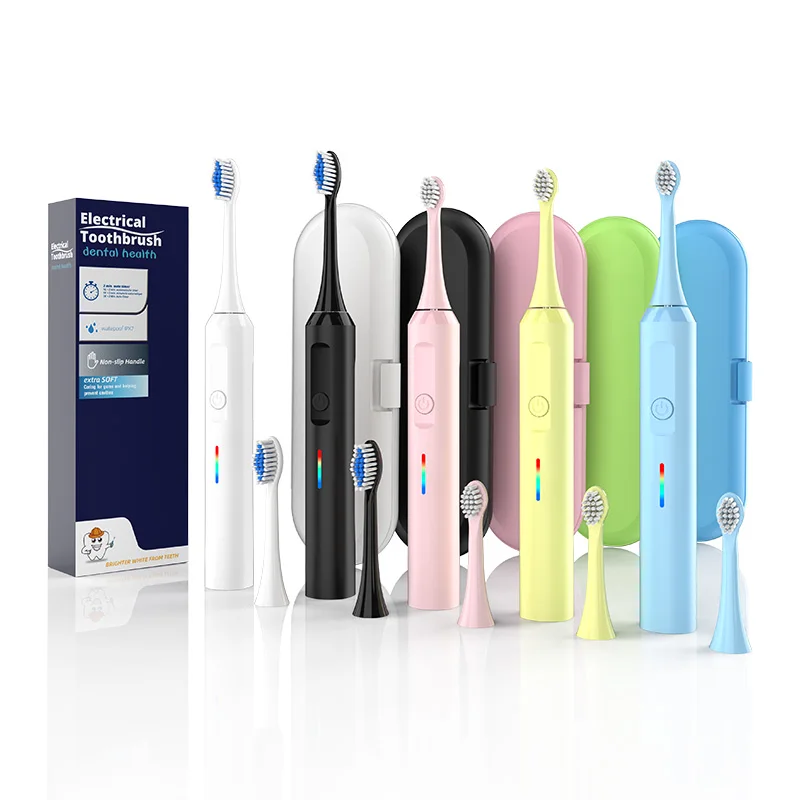
The science behind sonic toothbrush cleaner functionality involves creating thousands of brush strokes per minute, generating a unique cleaning action that disrupts bacterial biofilm formation. This advanced technology has transformed how dental professionals and consumers approach daily oral care routines. Research consistently demonstrates that sonic cleaning methods produce measurably better results compared to manual brushing techniques, particularly in reducing gingivitis and preventing periodontal disease progression.
Understanding Sonic Cleaning Technology
High-Frequency Vibration Mechanics
The fundamental principle behind sonic toothbrush cleaner operation involves generating vibrations at frequencies ranging from 30,000 to 40,000 movements per minute. These rapid oscillations create a unique cleaning phenomenon known as dynamic fluid action, where the bristle movement generates micro-bubbles and fluid streams that extend cleaning power beyond the physical reach of the bristles themselves. This technology ensures thorough cleaning even in tight interdental spaces and along the gumline where plaque accumulation typically occurs.
Unlike rotary electric toothbrushes that rely on circular motions, sonic toothbrush cleaner devices utilize linear back-and-forth movements that are gentler on tooth enamel and gum tissue. The high-frequency vibrations create a sweeping action that effectively loosens and removes plaque while stimulating circulation in the gum tissue. This gentle yet powerful cleaning mechanism makes sonic technology suitable for individuals with sensitive teeth or those recovering from dental procedures.
Dynamic Fluid Action Benefits
The dynamic fluid action generated by sonic toothbrush cleaner technology creates a secondary cleaning effect that extends beyond direct bristle contact. This phenomenon occurs when the rapid bristle movement creates pressure waves in the saliva and toothpaste mixture, forming microscopic bubbles that implode against tooth surfaces and between teeth. These implosions create additional cleaning forces that help dislodge bacteria and debris from areas that would otherwise remain untouched by traditional brushing methods.
Clinical studies have demonstrated that this dynamic fluid action can effectively clean up to 3mm beyond the bristle tips, significantly expanding the cleaning zone compared to manual or rotary electric toothbrushes. The sonic toothbrush cleaner technology particularly excels at removing plaque from interdental areas, making it an excellent choice for individuals with crowded teeth or those wearing orthodontic appliances. This extended cleaning capability contributes to better overall oral health outcomes and reduced risk of cavities and gum disease.
Health Benefits of Sonic Toothbrush Cleaner Systems
Superior Plaque Removal Efficiency
Multiple peer-reviewed studies have consistently shown that sonic toothbrush cleaner devices remove significantly more plaque than manual toothbrushes. The high-frequency vibrations disrupt bacterial biofilms more effectively, preventing the formation of hard tartar deposits that require professional dental cleaning. This superior plaque removal capability translates directly into reduced cavity formation and improved gum health over time.
The effectiveness of sonic toothbrush cleaner technology becomes particularly evident in areas where manual brushing typically falls short, such as the posterior molars and along the gumline. The consistent mechanical action ensures uniform cleaning pressure and technique, eliminating the variability that often occurs with manual brushing. Users typically observe noticeable improvements in their oral health within just a few weeks of switching to a sonic toothbrush cleaner, including fresher breath and healthier-looking gums.
Gum Health Enhancement
Beyond plaque removal, sonic toothbrush cleaner technology provides significant benefits for gum health through gentle massage action and improved circulation. The high-frequency vibrations stimulate blood flow in the gum tissue, promoting healing and strengthening the periodontal structures that support the teeth. This therapeutic effect is particularly beneficial for individuals with early-stage gum disease or those prone to gum inflammation.
Regular use of sonic toothbrush cleaner devices has been shown to reduce gum bleeding and inflammation more effectively than manual brushing alone. The gentle yet thorough cleaning action removes bacterial irritants while promoting tissue health through increased circulation. Dental professionals often recommend sonic toothbrush cleaner systems as part of comprehensive periodontal therapy programs, recognizing their superior ability to maintain gum health between professional cleanings.
Optimal Usage Techniques and Best Practices
Proper Brushing Technique
Maximizing the benefits of sonic toothbrush cleaner technology requires understanding proper usage techniques that differ from manual brushing methods. Unlike manual toothbrushes that require vigorous scrubbing motions, sonic devices work most effectively when users allow the technology to do the work. The optimal technique involves placing the brush head against the teeth at a 45-degree angle and moving slowly from tooth to tooth, spending approximately 2-3 seconds on each surface.
Users should avoid applying excessive pressure when using a sonic toothbrush cleaner, as this can actually reduce cleaning effectiveness and potentially damage tooth enamel or gum tissue. The high-frequency vibrations provide all the mechanical action needed for thorough cleaning, making gentle contact sufficient for optimal results. Most modern sonic toothbrush cleaner devices include pressure sensors that alert users when they are applying too much force, helping to protect oral tissues while ensuring effective cleaning.
Timing and Frequency Recommendations
Dental professionals recommend using a sonic toothbrush cleaner for a minimum of two minutes, twice daily, following the same timing guidelines as manual brushing. However, the superior cleaning efficiency of sonic technology means that users can achieve better results in the same time frame. Many sonic toothbrush cleaner devices include built-in timers that ensure adequate brushing duration and may include interval signals to encourage users to move to different areas of the mouth.
For optimal oral health benefits, sonic toothbrush cleaner usage should be complemented with daily flossing and regular dental checkups. The enhanced plaque removal capabilities of sonic technology create an excellent foundation for comprehensive oral hygiene routines. Some users may benefit from additional brushing sessions after meals, particularly those with specific risk factors for dental disease or those undergoing orthodontic treatment.
Comparison with Traditional Cleaning Methods
Manual Toothbrush Limitations
Traditional manual toothbrushes, while still effective when used properly, have inherent limitations that sonic toothbrush cleaner technology addresses. Manual brushing effectiveness depends heavily on user technique, pressure application, and consistency, factors that vary significantly among individuals. Studies show that most people brush inadequately with manual toothbrushes, missing critical areas and failing to maintain optimal pressure and timing.
The physical limitations of manual brushing become particularly evident in hard-to-reach areas such as the back molars and interdental spaces. Even with perfect technique, manual toothbrushes cannot generate the fluid dynamics and extended cleaning action that sonic toothbrush cleaner devices provide automatically. This technological advantage translates into measurably better clinical outcomes, including reduced plaque scores and improved gum health indices.
Rotary Electric Toothbrush Differences
While rotary electric toothbrushes offer improvements over manual brushing, sonic toothbrush cleaner technology provides distinct advantages in cleaning mechanism and user comfort. Rotary brushes use circular motions that can be more abrasive on tooth enamel and may cause discomfort for users with sensitive teeth or gums. The high-frequency linear motion of sonic toothbrush cleaner devices provides thorough cleaning with reduced mechanical wear on tooth surfaces.
The dynamic fluid action unique to sonic toothbrush cleaner technology creates cleaning effects that extend beyond direct bristle contact, a capability that rotary electric toothbrushes cannot match. This extended cleaning zone makes sonic devices particularly effective for individuals with complex dental work, orthodontic appliances, or anatomical variations that create cleaning challenges. The gentler action of sonic toothbrush cleaner systems also makes them suitable for long-term use without concerns about enamel damage or gum recession.
Maintenance and Care Guidelines
Brush Head Replacement Schedule
Maintaining optimal performance from a sonic toothbrush cleaner requires regular brush head replacement according to manufacturer guidelines, typically every three to four months or when bristles show visible wear. Worn brush heads significantly reduce cleaning effectiveness and may harbor bacteria that can compromise oral health. The high-frequency vibrations of sonic toothbrush cleaner devices can accelerate bristle wear compared to manual brushes, making timely replacement even more critical for maintaining cleaning efficiency.
Users should inspect their sonic toothbrush cleaner brush heads regularly for signs of wear, including bent or frayed bristles, color fading, or loss of bristle density. Some manufacturers incorporate wear indicators into their brush heads, such as color-changing bristles that fade when replacement is needed. Maintaining fresh brush heads ensures that the sonic toothbrush cleaner continues to provide optimal plaque removal and gum health benefits throughout its service life.
Device Cleaning and Storage
Proper maintenance of the sonic toothbrush cleaner device itself involves regular cleaning of the handle, charging base, and brush head attachment area to prevent bacterial buildup and ensure reliable operation. After each use, the brush head should be thoroughly rinsed and the handle wiped clean with a damp cloth. The device should be stored in an upright position to allow proper air circulation and prevent moisture accumulation.
Weekly deep cleaning of the sonic toothbrush cleaner involves removing the brush head and cleaning the metal shaft with an antibacterial solution or alcohol wipe. The charging base should also be cleaned regularly to remove any buildup that might interfere with proper charging function. Proper maintenance extends the lifespan of the sonic toothbrush cleaner and ensures consistent performance over years of use.
FAQ
How often should I replace my sonic toothbrush cleaner brush head
Replace your sonic toothbrush cleaner brush head every 3-4 months or sooner if bristles become frayed or worn. The high-frequency vibrations can cause bristles to wear more quickly than manual toothbrush bristles, so regular inspection is important. Some manufacturers include wear indicators on their brush heads to help determine optimal replacement timing.
Can sonic toothbrush cleaner technology damage tooth enamel
When used properly, sonic toothbrush cleaner devices are gentler on tooth enamel than aggressive manual brushing. The key is avoiding excessive pressure and allowing the technology to do the work. Most modern sonic toothbrush cleaner devices include pressure sensors to prevent over-brushing and protect tooth enamel from damage.
Is a sonic toothbrush cleaner suitable for sensitive teeth
Yes, sonic toothbrush cleaner technology is often recommended for people with sensitive teeth because of its gentle cleaning action. Many devices offer multiple intensity settings, allowing users to customize the cleaning power to their comfort level. The consistent, gentle vibrations of a sonic toothbrush cleaner can be more comfortable than the variable pressure of manual brushing.
How long does a sonic toothbrush cleaner battery typically last
Most quality sonic toothbrush cleaner devices provide 2-4 weeks of use on a single charge with twice-daily brushing. Battery life depends on usage frequency, selected cleaning modes, and device age. Modern sonic toothbrush cleaner models often include battery level indicators to alert users when charging is needed.