 EN
EN


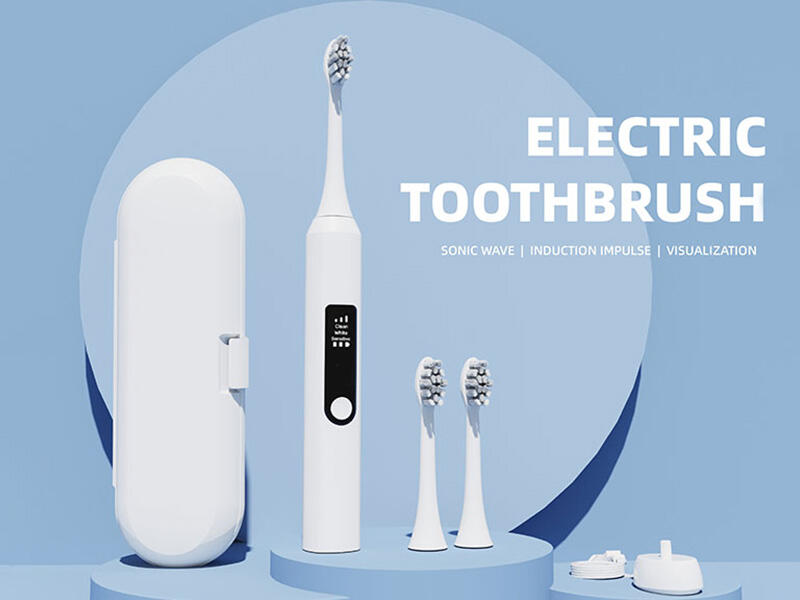
The oral hygiene landscape has evolved dramatically with the introduction of advanced dental care technology, particularly the sonic toothbrush. These innovative devices represent a significant leap forward from traditional manual brushing methods, offering superior cleaning capabilities that can effectively target and eliminate hidden bacteria lurking in hard-to-reach areas of the mouth. Modern sonic toothbrush technology operates at frequencies ranging from 20,000 to 40,000 vibrations per minute, creating powerful cleaning action that disrupts bacterial biofilms and removes plaque with remarkable efficiency. Understanding the science behind how these devices combat oral bacteria is essential for anyone seeking optimal dental health outcomes.
The Science Behind Sonic Toothbrush Technology
Understanding Sonic Vibration Mechanics
The fundamental principle governing sonic toothbrush effectiveness lies in its high-frequency vibration mechanism. Unlike conventional electric toothbrushes that rely on rotating or oscillating motions, a sonic toothbrush generates rapid side-to-side movements that create dynamic fluid action. This fluid dynamic phenomenon, known as acoustic streaming, propels toothpaste and saliva into spaces between teeth and along the gumline where manual brushes cannot effectively reach. The sonic vibrations create microscopic bubbles that implode against bacterial colonies, disrupting their structural integrity and making them easier to remove from tooth surfaces.
Research conducted by dental professionals has demonstrated that sonic toothbrush technology can remove up to seven times more plaque than manual brushing techniques. The high-frequency vibrations penetrate biofilm matrices that harbor harmful bacteria, breaking down their protective barriers and exposing them to antimicrobial agents present in toothpaste formulations. This mechanical disruption process is particularly effective against gram-positive and gram-negative bacteria that contribute to tooth decay, gum disease, and persistent bad breath.
Bacterial Elimination Through Advanced Cleaning Action
The superior bacterial elimination capabilities of sonic toothbrush systems stem from their ability to generate cleaning forces that extend beyond the physical contact points of bristles. Traditional brushing relies primarily on mechanical scrubbing action, which can miss bacterial deposits in crevices and interdental spaces. In contrast, the acoustic energy produced by sonic toothbrush vibrations creates hydrodynamic forces that reach areas up to 4mm away from bristle contact points, ensuring comprehensive bacterial removal throughout the oral cavity.
Clinical studies have shown that consistent use of a sonic toothbrush can reduce bacterial counts in the mouth by up to 90% when compared to manual brushing alone. The device's ability to disrupt bacterial adhesion mechanisms prevents the formation of mature plaque communities that can lead to serious dental complications. Additionally, the gentle yet effective cleaning action helps maintain healthy gum tissues while eliminating pathogenic microorganisms that contribute to periodontal disease progression.
Hidden Bacterial Colonies and Oral Health Risks
Common Bacterial Hiding Places in the Mouth
The human oral cavity contains numerous microenvironments where harmful bacteria can establish thriving colonies away from conventional cleaning methods. These hidden bacterial reservoirs include the spaces between teeth, gingival sulci along the gumline, tongue surfaces, and the posterior regions of molars where access is naturally limited. Traditional brushing techniques often fail to adequately address these areas, allowing bacterial communities to mature and produce toxins that damage tooth enamel and irritate gum tissues.
Streptococcus mutans, Porphyromonas gingivalis, and Fusobacterium nucleatum are among the most problematic bacterial species that establish residence in these protected areas. These microorganisms form complex biofilm structures that resist removal through standard oral hygiene practices, requiring the enhanced cleaning power that only a sonic toothbrush can provide. The sophisticated vibration patterns generated by these devices can penetrate biofilm matrices and disrupt bacterial communication systems, preventing the formation of resistant microbial communities.
Health Consequences of Untreated Bacterial Accumulation
When bacterial colonies remain undisturbed in oral tissues, they can trigger inflammatory responses that progress to serious health complications. Gingivitis, the initial stage of gum disease, develops when bacterial toxins irritate gingival tissues, causing redness, swelling, and bleeding during routine oral hygiene activities. Without intervention using effective cleaning methods such as a sonic toothbrush, this condition can advance to periodontitis, where bacterial infections destroy the connective tissues and bone structures supporting teeth.
Research has established clear connections between oral bacterial infections and systemic health problems, including cardiovascular disease, diabetes complications, and respiratory infections. The bloodstream can transport oral bacteria from infected gum tissues to other organs, where they contribute to inflammatory processes that compromise overall health. Regular use of advanced cleaning technology helps prevent these bacterial migrations by maintaining oral bacterial populations at healthy levels and supporting natural immune defense mechanisms.
Sonic Toothbrush Effectiveness Against Specific Bacteria Types
Targeting Cariogenic Bacteria
Cariogenic bacteria, particularly those responsible for tooth decay processes, respond exceptionally well to sonic toothbrush intervention strategies. Streptococcus mutans and Lactobacillus species that produce acid byproducts capable of demineralizing tooth enamel are effectively disrupted by the mechanical forces generated through sonic vibration technology. The rapid bristle movements create shearing forces that prevent bacterial adherence to tooth surfaces while simultaneously removing existing bacterial deposits and their acidic metabolites.
Laboratory studies have documented significant reductions in cariogenic bacterial populations following sonic toothbrush treatments, with some research indicating up to 85% bacterial elimination rates in treated tooth surfaces. The sonic toothbrush technology proves particularly effective at removing bacterial aggregates from occlusal surfaces and proximal tooth areas where cariogenic processes typically initiate. This comprehensive bacterial removal helps restore natural pH balance in the oral environment and promotes remineralization processes that strengthen tooth structures.
Combating Periodontal Pathogens
Periodontal pathogens present unique challenges for oral hygiene maintenance due to their preference for anaerobic environments found in gingival sulci and periodontal pockets. These bacteria, including Porphyromonas gingivalis, Tannerella forsythia, and Treponema denticola, form the red complex associated with severe gum disease manifestations. The deep-cleaning capabilities of sonic toothbrush systems enable effective disruption of these bacterial communities through enhanced fluid dynamics that reach subgingival regions where periodontal pathogens typically establish residence.
Clinical trials have demonstrated that regular sonic toothbrush use can reduce periodontal pathogen levels by up to 70% within four weeks of consistent application. The device's ability to generate cleaning forces below the gumline helps eliminate bacterial endotoxins that trigger inflammatory responses in periodontal tissues. Additionally, the improved circulation stimulated by gentle sonic vibrations promotes healing processes in affected gum tissues while preventing recolonization by pathogenic bacterial species.
Optimal Usage Techniques for Maximum Bacterial Elimination
Proper Brushing Methodology
Achieving maximum bacterial elimination with sonic toothbrush technology requires adherence to specific usage protocols that optimize cleaning effectiveness. The recommended brushing technique involves positioning the device at a 45-degree angle to the gumline, allowing the sonic vibrations to penetrate sulcular areas where bacterial accumulation commonly occurs. Users should apply minimal pressure while allowing the sonic toothbrush to perform its cleaning action, as excessive force can reduce vibration efficiency and potentially damage delicate gum tissues.
Duration and coverage patterns significantly impact bacterial removal rates when using sonic toothbrush systems. Dental professionals recommend dividing the mouth into quadrants and spending at least 30 seconds in each area to ensure comprehensive bacterial elimination. The sonic vibrations require sufficient contact time to disrupt established biofilm structures and remove embedded bacterial colonies. Moving the device slowly across tooth surfaces while maintaining consistent contact allows the acoustic energy to penetrate bacterial deposits and achieve optimal cleaning results.
Maintenance and Hygiene Considerations
Maintaining optimal sonic toothbrush performance requires regular attention to device cleanliness and brush head replacement schedules. Bacterial contamination of brush heads can occur over time, potentially reintroducing harmful microorganisms into the oral cavity during subsequent brushing sessions. Users should rinse brush heads thoroughly after each use and replace them every three months or sooner if bristles show signs of wear or contamination.
Proper storage practices help preserve sonic toothbrush effectiveness and prevent bacterial growth on device surfaces. Allowing brush heads to air dry completely between uses prevents moisture accumulation that can support bacterial proliferation. Some advanced sonic toothbrush models include UV sanitizing capabilities that eliminate residual bacteria from brush heads, ensuring maximum hygiene standards are maintained throughout the device's operational lifespan.
Clinical Evidence and Research Findings
Comparative Effectiveness Studies
Extensive clinical research has established the superior bacterial elimination capabilities of sonic toothbrush technology when compared to conventional brushing methods. Multiple randomized controlled trials have documented significant improvements in plaque removal, gingival health, and bacterial reduction rates among sonic toothbrush users. These studies consistently demonstrate that sonic vibration technology can remove 2 to 10 times more bacterial plaque than manual brushing techniques, depending on individual usage patterns and oral health conditions.
Longitudinal studies tracking sonic toothbrush effectiveness over extended periods reveal sustained bacterial control benefits that improve over time with consistent use. Participants using sonic toothbrush systems showed progressive reductions in pathogenic bacterial populations, with maximum benefits typically achieved within 4 to 6 weeks of regular use. The cumulative effects of daily bacterial disruption create oral environments that are increasingly resistant to pathogenic bacterial colonization and associated disease processes.
Microbiological Analysis Results
Advanced microbiological analysis techniques have provided detailed insights into how sonic toothbrush technology affects specific bacterial populations in the oral cavity. Polymerase chain reaction (PCR) testing and bacterial culture methods have revealed significant reductions in key pathogenic species following sonic toothbrush interventions. These analyses demonstrate that sonic vibrations effectively target both planktonic bacteria and those embedded within protective biofilm matrices.
Quantitative bacterial analysis has shown that sonic toothbrush use can reduce total bacterial loads in saliva samples by up to 60% immediately following brushing sessions. More importantly, the sustained effects of regular sonic toothbrush use result in long-term bacterial population shifts that favor beneficial oral microorganisms over pathogenic species. This microbiological rebalancing helps establish oral environments that naturally resist bacterial infections and support optimal dental health outcomes.
FAQ
How long does it take for a sonic toothbrush to eliminate hidden bacteria?
Most users begin experiencing noticeable bacterial reduction within the first week of consistent sonic toothbrush use, with significant improvements in oral bacterial levels typically achieved within 2-4 weeks. The initial bacterial disruption occurs immediately during each brushing session, but establishing long-term bacterial control requires consistent daily use to prevent recolonization of cleaned areas. Individual results may vary based on starting bacterial levels, oral health conditions, and adherence to proper brushing techniques.
Can sonic toothbrush technology replace professional dental cleanings for bacterial removal?
While sonic toothbrush systems provide excellent daily bacterial control, they cannot completely replace professional dental cleanings for comprehensive oral health maintenance. Professional cleanings remove calcified bacterial deposits (tartar) that cannot be eliminated through home care alone, regardless of the technology used. However, regular sonic toothbrush use significantly reduces bacterial accumulation between professional appointments and helps maintain the results achieved during professional cleaning procedures.
Are there any bacteria that sonic toothbrushes cannot effectively eliminate?
Sonic toothbrush technology is highly effective against most common oral bacteria, including those responsible for tooth decay and gum disease. However, some deeply embedded bacterial colonies in areas with limited accessibility, such as deep periodontal pockets or root surface irregularities, may require additional professional intervention. Additionally, certain antibiotic-resistant bacterial strains may show reduced susceptibility to mechanical disruption alone and might need combined treatment approaches including antimicrobial therapies.
How often should I use a sonic toothbrush for optimal bacterial elimination?
For maximum bacterial elimination, dental professionals recommend using a sonic toothbrush twice daily, following the same schedule as traditional brushing routines. Each brushing session should last at least two minutes to ensure adequate bacterial disruption throughout the oral cavity. Some individuals with higher bacterial loads or specific oral health conditions may benefit from additional brushing sessions, but this should be discussed with a dental healthcare provider to avoid potential tissue irritation from over-brushing.
Table of Contents
- The Science Behind Sonic Toothbrush Technology
- Hidden Bacterial Colonies and Oral Health Risks
- Sonic Toothbrush Effectiveness Against Specific Bacteria Types
- Optimal Usage Techniques for Maximum Bacterial Elimination
- Clinical Evidence and Research Findings
-
FAQ
- How long does it take for a sonic toothbrush to eliminate hidden bacteria?
- Can sonic toothbrush technology replace professional dental cleanings for bacterial removal?
- Are there any bacteria that sonic toothbrushes cannot effectively eliminate?
- How often should I use a sonic toothbrush for optimal bacterial elimination?