 EN
EN


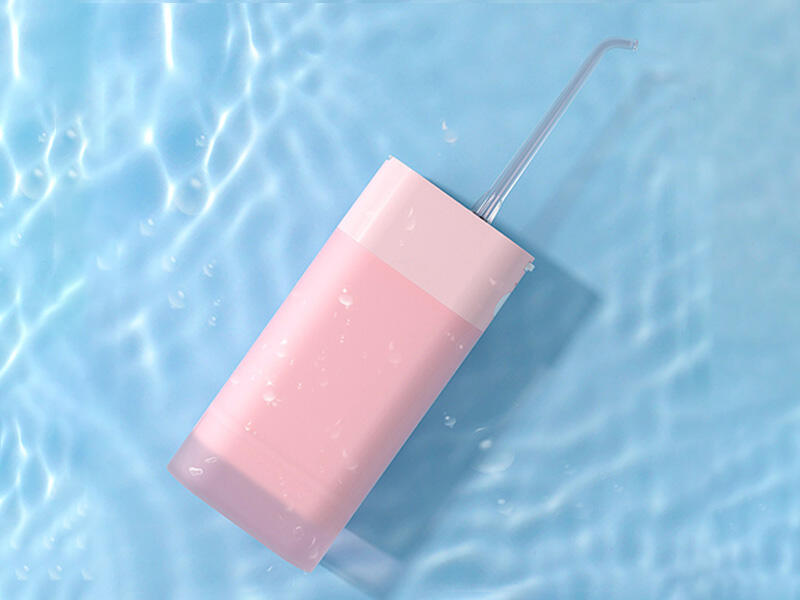
Modern dental care has evolved significantly, with technological innovations leading the way toward more effective oral hygiene solutions. The sonic clean toothbrush represents a breakthrough in dental technology, offering superior cleaning capabilities compared to traditional manual brushes. These advanced devices utilize high-frequency vibrations to create dynamic cleaning action that penetrates deeper into hard-to-reach areas of the mouth. Understanding how sonic technology works and its benefits can transform your daily oral care routine, delivering professional-level cleaning results at home.
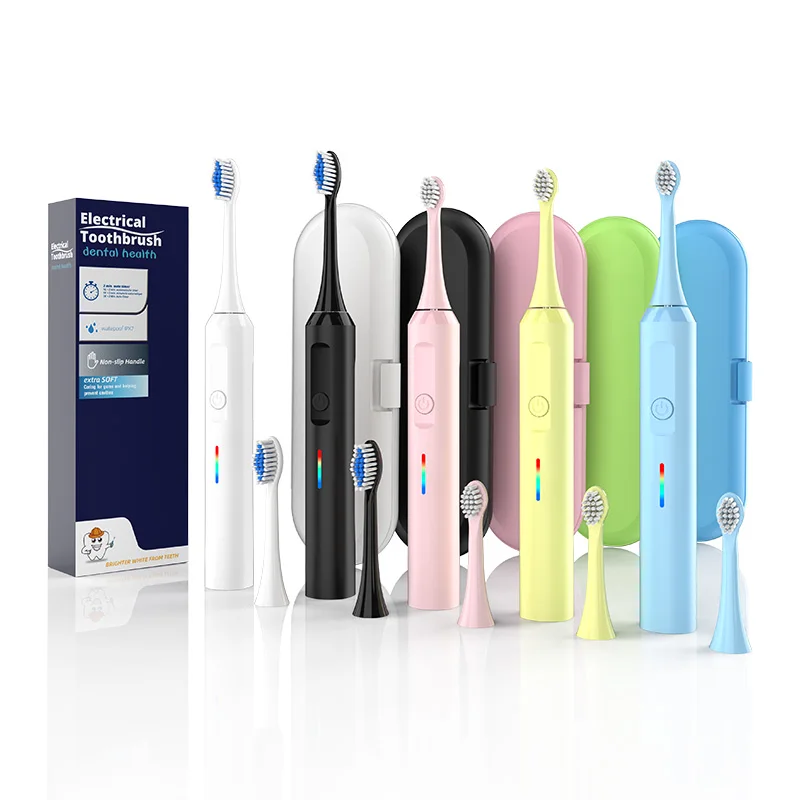
Understanding Sonic Technology in Modern Toothbrushes
The Science Behind Sonic Vibrations
Sonic technology operates through rapid bristle movements that generate fluid dynamics within the mouth. When a sonic clean toothbrush activates, it produces between 20,000 to 40,000 brush strokes per minute, creating microscopic bubbles and pressure waves in saliva and toothpaste. This phenomenon, known as acoustic streaming, allows cleaning action to extend beyond direct bristle contact, reaching areas between teeth and along the gumline where traditional brushes struggle to access effectively.
The high-frequency vibrations of a sonic clean toothbrush create a sweeping motion that disrupts bacterial biofilms more efficiently than manual brushing techniques. Research demonstrates that these rapid movements generate sufficient force to dislodge plaque particles and food debris while remaining gentle on tooth enamel and gum tissue. This dual action of mechanical cleaning and fluid dynamics makes sonic technology particularly effective for comprehensive oral hygiene maintenance.
Frequency and Amplitude Optimization
Advanced sonic clean toothbrush models feature precisely calibrated frequency settings designed to maximize cleaning efficiency while ensuring user comfort. The optimal frequency range typically falls between 250-300 Hz, producing the ideal balance of cleaning power and gentle operation. This frequency generates sufficient acoustic energy to create effective fluid flow patterns without causing discomfort or potential damage to oral tissues.
The amplitude of bristle movement in a quality sonic clean toothbrush is carefully engineered to provide optimal cleaning coverage. Larger amplitude movements increase the cleaning radius, allowing each bristle to cover more surface area with each vibration cycle. This enhanced coverage means fewer brush strokes are needed to achieve thorough cleaning, making the entire brushing process more efficient and time-effective for users.
Superior Plaque Removal Capabilities
Enhanced Biofilm Disruption
Bacterial biofilms represent one of the most challenging aspects of oral hygiene maintenance, as these protective matrices allow harmful bacteria to adhere strongly to tooth surfaces. A sonic clean toothbrush excels at disrupting these biofilms through its unique combination of mechanical action and acoustic streaming effects. The high-frequency vibrations create shear forces that effectively break down the protective matrix surrounding bacterial colonies.
Clinical studies consistently demonstrate that sonic clean toothbrush technology removes significantly more plaque compared to manual brushing techniques. The dynamic fluid action generated by sonic vibrations can penetrate into sulcular areas and interdental spaces, areas where biofilm accumulation typically occurs. This comprehensive cleaning action helps prevent the formation of mature plaque deposits that can lead to dental complications over time.
Interproximal Area Access
Traditional brushing methods often struggle to adequately clean the tight spaces between teeth, where a significant percentage of dental problems originate. The sonic clean toothbrush addresses this limitation through its extended cleaning radius, which allows acoustic streaming to reach into these narrow spaces. The fluid dynamics created by sonic vibrations can effectively flush out debris and bacteria from areas that bristles cannot directly access.
The effectiveness of a sonic clean toothbrush in interproximal cleaning has been documented through numerous clinical trials, showing substantial improvements in gingival health and reduction in interdental plaque accumulation. This enhanced cleaning capability makes sonic technology particularly valuable for individuals with crowded teeth or orthodontic appliances, where traditional cleaning methods prove insufficient.
Gingival Health Enhancement
Gentle Stimulation Benefits
The therapeutic benefits of sonic clean toothbrush technology extend beyond simple plaque removal to include positive effects on gingival health. The gentle vibrations provide beneficial micromassage effects to gum tissue, promoting improved circulation and cellular regeneration. This stimulation helps maintain healthy pink coloration and firm texture in gingival tissues while reducing inflammation and bleeding tendencies.
Regular use of a sonic clean toothbrush has been shown to reduce gingival bleeding indices significantly compared to manual brushing methods. The controlled vibrations help strengthen capillary walls within gum tissue while promoting lymphatic drainage that reduces inflammatory responses. This dual benefit of effective cleaning and therapeutic stimulation makes sonic technology particularly advantageous for individuals with sensitive gums or early-stage periodontal concerns.
Inflammation Reduction Mechanisms
The anti-inflammatory effects of sonic clean toothbrush technology result from multiple mechanisms working synergistically to promote gingival health. The thorough plaque removal reduces bacterial load and associated toxin production, while the gentle massage action promotes healing responses in inflamed tissues. These combined effects help restore healthy gingival architecture and reduce pocket depths in cases of mild gingivitis.
Long-term studies indicate that consistent sonic clean toothbrush use can lead to measurable improvements in periodontal health markers, including reduced probing depths and improved attachment levels. The technology's ability to maintain consistent cleaning pressure and technique eliminates the variability often associated with manual brushing, ensuring optimal therapeutic benefits with every use.
Advanced Features and Technology Integration
Smart Sensor Technology
Modern sonic clean toothbrush models incorporate sophisticated sensor systems that monitor brushing technique and provide real-time feedback to users. Pressure sensors detect when excessive force is applied and automatically adjust vibration intensity to prevent potential damage to enamel or gum tissue. This intelligent pressure management ensures optimal cleaning effectiveness while maintaining safe operation parameters.
Advanced sonic clean toothbrush systems feature quadrant timers that guide users through systematic cleaning routines, ensuring equal attention to all areas of the mouth. These timing systems typically divide the recommended two-minute brushing period into four thirty-second intervals, with gentle notifications prompting users to move between quadrants. This systematic approach maximizes cleaning coverage and develops consistent brushing habits.
Customizable Cleaning Modes
Premium sonic clean toothbrush models offer multiple cleaning modes tailored to specific oral health needs and user preferences. Standard cleaning modes provide optimal daily maintenance, while sensitive modes reduce intensity for individuals with tender gums or dental sensitivity. Specialized modes such as whitening or gum care deliver targeted benefits through modified vibration patterns and intensities.
The versatility of multiple cleaning modes in a sonic clean toothbrush allows users to customize their oral care routine based on changing needs or specific dental conditions. Deep cleaning modes increase intensity for thorough plaque removal, while massage modes focus on gingival stimulation and circulation enhancement. This adaptability ensures that sonic technology remains effective across various oral health scenarios and user requirements.
Battery Technology and Convenience Features
Long-Life Battery Systems
Contemporary sonic clean toothbrush designs incorporate advanced lithium-ion battery technology that provides extended operation periods between charging cycles. High-quality models typically offer two to three weeks of regular use on a single charge, eliminating the inconvenience of frequent recharging. This extended battery life makes sonic toothbrushes particularly suitable for travel and ensures consistent performance without interruption.
The battery management systems in modern sonic clean toothbrush units include intelligent charging protocols that optimize battery longevity and performance. These systems prevent overcharging damage while maintaining optimal energy density throughout the battery's operational life. LED indicators provide clear battery status information, allowing users to plan charging schedules effectively and avoid unexpected power depletion.
Ergonomic Design Elements
The physical design of sonic clean toothbrush handles prioritizes user comfort and control during daily use. Ergonomic gripping surfaces provide secure handling even when wet, while balanced weight distribution reduces hand fatigue during the recommended brushing duration. These design considerations ensure that users can maintain proper brushing technique without experiencing discomfort or grip limitations.
Waterproof construction standards in quality sonic clean toothbrush models enable safe use in wet environments and easy cleaning maintenance. IPX7 or higher ratings ensure complete protection against water ingress, allowing for worry-free use in shower environments and thorough sanitization after each use. This durability feature extends product lifespan while maintaining consistent performance standards.
Clinical Evidence and Research Support
Comparative Effectiveness Studies
Extensive clinical research consistently demonstrates the superior effectiveness of sonic clean toothbrush technology compared to manual brushing methods. Randomized controlled trials show statistically significant improvements in plaque removal efficiency, with sonic devices typically achieving 30-50% better cleaning performance. These studies evaluate both immediate cleaning effects and long-term oral health outcomes across diverse population groups.
Meta-analyses of sonic clean toothbrush effectiveness reveal consistent benefits across multiple oral health parameters, including plaque index scores, gingival bleeding reduction, and periodontal health improvements. The evidence base supports sonic technology as a scientifically validated approach to enhanced oral hygiene, with benefits documented across various age groups and oral health conditions.
Long-Term Oral Health Outcomes
Longitudinal studies tracking sonic clean toothbrush users demonstrate sustained improvements in oral health markers over extended periods. Participants using sonic technology show reduced incidence of dental caries, lower rates of periodontal disease progression, and improved overall oral health scores compared to manual brushing control groups. These long-term benefits highlight the value of investing in advanced oral care technology.
Professional dental assessments of patients using sonic clean toothbrush systems reveal measurable improvements in clinical parameters that correlate with reduced treatment needs over time. Dentists report observing better plaque control, healthier gingival tissues, and reduced calculus formation among patients who consistently use sonic technology as part of their daily oral care routine.
FAQ
How often should I replace the brush head on my sonic clean toothbrush
Brush heads for sonic clean toothbrush units should typically be replaced every three months, similar to manual toothbrush replacement guidelines. However, the high-frequency vibrations may cause bristles to wear more quickly in some cases, so visual inspection for fraying or splaying bristles should guide replacement timing. Some manufacturers include wear indicators on brush heads that fade to signal replacement needs, ensuring optimal cleaning performance is maintained.
Can sonic technology damage tooth enamel or dental work
Properly designed sonic clean toothbrush systems are safe for tooth enamel and most dental restorations when used according to manufacturer instructions. The controlled vibration frequencies and amplitudes are specifically calibrated to provide effective cleaning without exceeding safe mechanical stress limits. However, individuals with extensive dental work should consult their dentist before switching to sonic technology to ensure compatibility with their specific restorations.
What is the difference between sonic and ultrasonic toothbrushes
Sonic clean toothbrush technology operates in the audible frequency range of 200-400 Hz, creating vibrations that users can feel and hear. Ultrasonic toothbrushes operate at much higher frequencies above 20,000 Hz, which are beyond human perception but may provide additional antibacterial effects. Most consumer devices labeled as sonic or ultrasonic actually use sonic technology, as true ultrasonic frequencies require specialized components and are typically found in professional dental equipment.
How do I properly maintain and clean my sonic clean toothbrush
Maintenance of a sonic clean toothbrush involves regular cleaning of both the handle and brush head after each use. Rinse the brush head thoroughly under warm water and allow it to air dry in an upright position. The handle should be wiped clean with a damp cloth, avoiding submersion beyond the waterproof rating. Periodic deep cleaning with antibacterial solutions can help maintain hygiene, while proper storage in a ventilated area prevents bacterial growth and extends product lifespan.